The Sendy-Shaped Hole in Kenya's Delivery Market
Why small brands in Kenya are still searching for what Sendy once provided
David Kuria
Having worked with Sendy twice, I saw firsthand just how big Kenya's SME market really is, and how deeply they relied on what Sendy offered.
Years later, you can still hear the nostalgia in their voices when they talk about the "glorious Sendy days." The days when delivery felt simple, reliable, and built for the everyday business.
I won't get into the details of what happened at Sendy. That's not my place. But the real problem Sendy tried to solve remains unsolved.
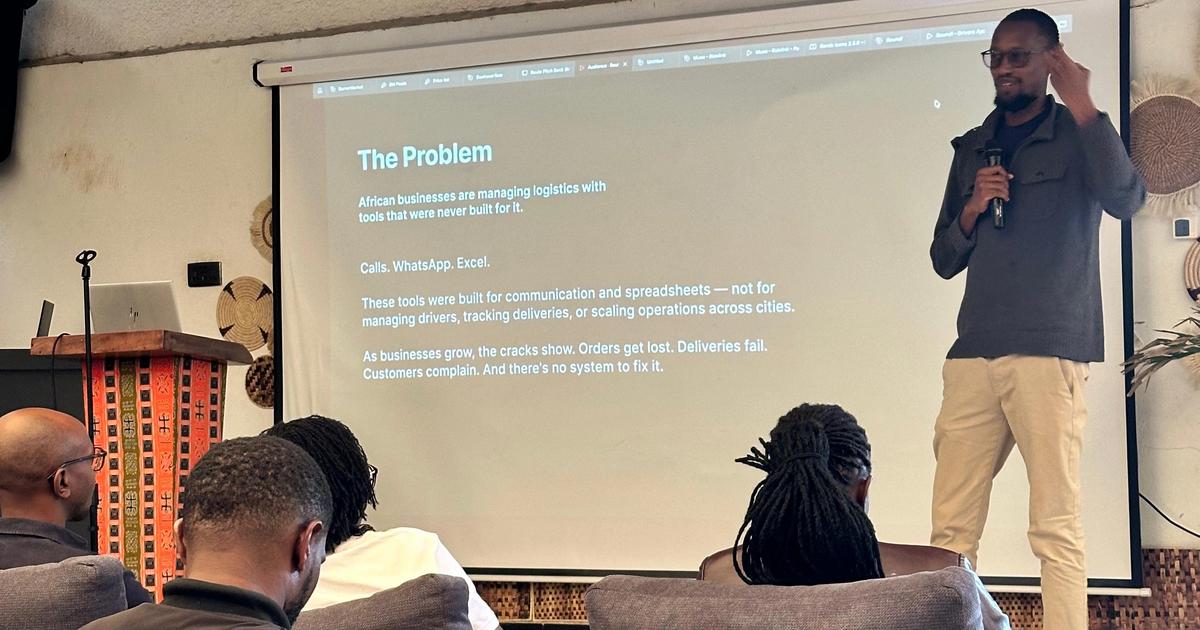
And that's why we're building Roundi.
The Longing for What Was
Just the other day, I was speaking with a business owner who grew massively during that season. Listening to them, you can feel the longing for a service that brings back that kind of structure, reliability, and peace of mind.
Because when you strip everything down, what options do small brands really have today?
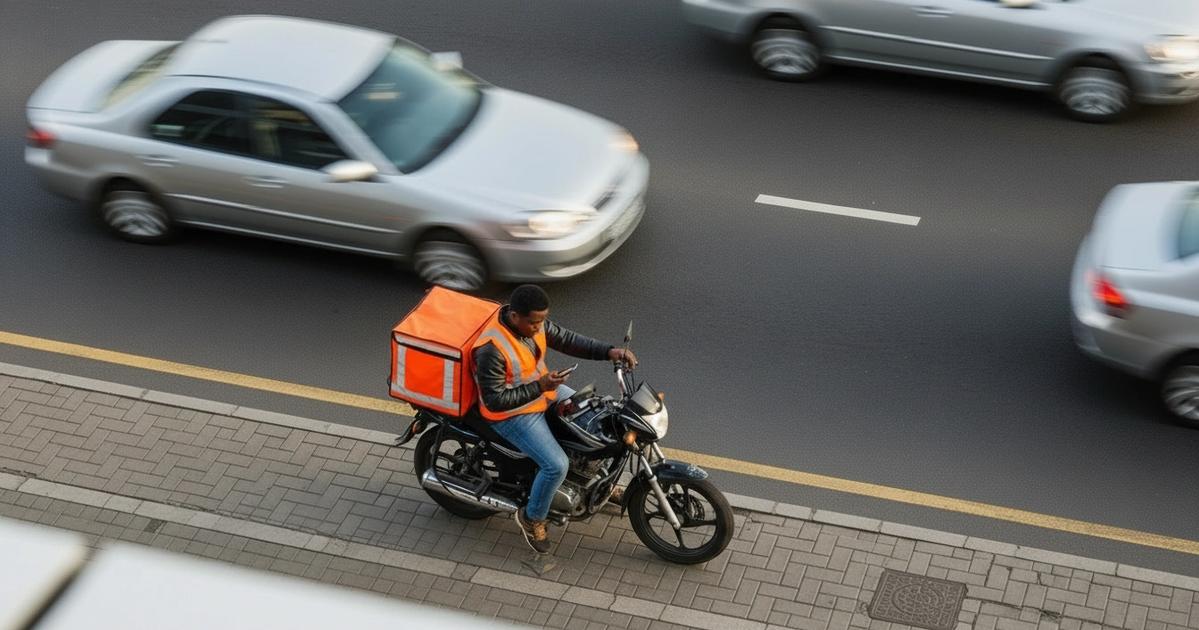
Option 1: Get Your Own Nduthi Guys
Sounds simple, until you realize:
You can't control their availability. If they serve multiple clients, you're not a priority. If you try to employ them part-time or full-time, the costs stack up fast. Buying your own bikes? Even worse. Huge capital outlay.
This works for larger companies, not small, growing brands trying to stretch every shilling.
Option 2: Uber/Bolt Deliveries
Convenient? Yes.
Sustainable for SMEs? Absolutely not.
I just sent out kombucha worth KES 2,100, and the delivery cost KES 460.
How do you build a business on top of that math? It doesn't make sense, not for the seller, and definitely not for the customer.
Option 3: Wells Fargo, G4S & the Big Couriers
These are solid institutions, but they come with constraints:
You must meet minimums. You're tied into contracts. Their systems aren't built for flexible daily deliveries. They don't give you the real-time visibility today's customers expect.
For small product businesses, this is like trying to fit into clothes two sizes too big. They're structured for enterprises, not SMEs.
So Where Does That Leave Us?
Somewhere in the middle.
Small brands craving great customer service, fast delivery, and a fair price, but with no solution that gives them all three.
That gap is massive. And that gap is exactly where Roundi lives.
Why We're Building Roundi
Roundi isn't trying to become Sendy, but we are trying to solve the same root problem: how do you give SMEs the delivery transparency and reliability they need, without forcing them into expensive, rigid systems?
With Roundi, the goal is simple:
Real-time rider tracking. Know where every delivery is, every moment.
Accurate ETAs. Give customers confidence, not guesswork.
Delivery transparency. For businesses and customers alike.
A system that works with the riders you already have. No need to rebuild from scratch.
A price point SMEs can actually sustain. Because delivery shouldn't eat your margins.
Great delivery isn't just about speed. It's about trust.
And today, trust is the one thing small businesses can't afford to lose.
That's what Sendy understood. That's what the market still needs. And that's what Roundi is built to deliver.
At Roundi, we're building tools to help product brands take ownership of their delivery operations, from route planning to real-time tracking to customer communication.
Because we believe every Kenyan brand deserves to deliver with confidence.
Currently in early access for businesses ready to transform their delivery experience.
Ready to Transform Your Delivery Operations in Kenya?
Join Kenyan businesses in Nairobi and across East Africa using Roundi to manage deliveries efficiently. Track orders in real-time, optimize routes, and delight your customers.